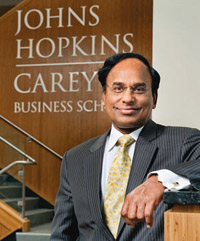
Q. How can HR link itself to the overall business strategy?
A. To be involved at the start of the strategy development, HR has to understand where the organization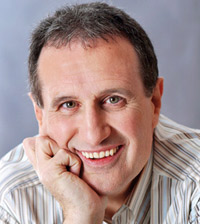 is going and what will that mean for its skills and talent needs, e.g., how many people will retire. It should also understand what skills will they take with them; the expansion plans; what skills will that take; the business trends and the impact they will have on skill needs.
Q. How can a CEO participate in making efficient HR processes?
A. CEOs need to use their role to help the organisation understand the critical contribution of HR to business’ success. But they also want senior HR executives to be more assertive in demonstrating their value and demanding their issues be recognised. CEOs believe senior HR executives can and should drive their agenda forward by ensuring they are business savvy, relevant, trusted and focused on issues that matter. HR needs to pound the table more as their issues get ignored in the heat of the battle.
Q. Which are the key strategic areas where involvement of HR becomes mandatory?
A. CEOs need leadership that is skilled, available and ready to act. HR needs to play a leadership role in identifying and developing talent. CEOs are looking to HR to help identify the behaviours and skills that will drive its productivity and success. Now that economic recovery is underway, most CEOs expect HR to lead a renewed focus on both talent management and succession planning.
Creating the employer brand
HR plays a key role in connecting culture with objectives and defining and communicating what makes its organisation a great place to work.
4 generations at the workplace
CEOs want HR to help predict and manage the impact of four generations at the workplace.
Social media
HR must have a solid grasp on how to use social media to communicate with and recruit employees.
Trend analysis
CEOs expect HR to forecast and analyse trends that will impact the business.Click here to read full interview..
Read More IIPM Related Articles
Zee Business Best B-School Survey 2012
Prof. Arindam Chaudhuri's Session at IMA Indore
IIPM IN FINANCIAL TIMES, UK. FEATURE OF THE WEEK
IIPM strong hold on Placement : 10000 Students Placed in last 5 year
IIPM's Management Consulting Arm-Planman Consulting
Professor Arindam Chaudhuri - A Man For The Society....
IIPM: Indian Institute of Planning and Management
IIPM makes business education truly global
Management Guru Arindam Chaudhuri
Rajita Chaudhuri-The New Age Woman
IIPM B-School Facebook Page
IIPM Global Exposure
IIPM Best B School India
IIPM B-School Detail
IIPM Links
IIPM : The B-School with a Human Face
A. To be involved at the start of the strategy development, HR has to understand where the organization
is going and what will that mean for its skills and talent needs, e.g., how many people will retire. It should also understand what skills will they take with them; the expansion plans; what skills will that take; the business trends and the impact they will have on skill needs.Q. How can a CEO participate in making efficient HR processes?
A. CEOs need to use their role to help the organisation understand the critical contribution of HR to business’ success. But they also want senior HR executives to be more assertive in demonstrating their value and demanding their issues be recognised. CEOs believe senior HR executives can and should drive their agenda forward by ensuring they are business savvy, relevant, trusted and focused on issues that matter. HR needs to pound the table more as their issues get ignored in the heat of the battle.
Q. Which are the key strategic areas where involvement of HR becomes mandatory?
A. CEOs need leadership that is skilled, available and ready to act. HR needs to play a leadership role in identifying and developing talent. CEOs are looking to HR to help identify the behaviours and skills that will drive its productivity and success. Now that economic recovery is underway, most CEOs expect HR to lead a renewed focus on both talent management and succession planning.
Creating the employer brand
HR plays a key role in connecting culture with objectives and defining and communicating what makes its organisation a great place to work.
4 generations at the workplace
CEOs want HR to help predict and manage the impact of four generations at the workplace.
Social media
HR must have a solid grasp on how to use social media to communicate with and recruit employees.
Trend analysis
CEOs expect HR to forecast and analyse trends that will impact the business.Click here to read full interview..
Read More IIPM Related Articles
Zee Business Best B-School Survey 2012
Prof. Arindam Chaudhuri's Session at IMA Indore
IIPM IN FINANCIAL TIMES, UK. FEATURE OF THE WEEK
IIPM strong hold on Placement : 10000 Students Placed in last 5 year
IIPM's Management Consulting Arm-Planman Consulting
Professor Arindam Chaudhuri - A Man For The Society....
IIPM: Indian Institute of Planning and Management
IIPM makes business education truly global
Management Guru Arindam Chaudhuri
Rajita Chaudhuri-The New Age Woman
IIPM B-School Facebook Page
IIPM Global Exposure
IIPM Best B School India
IIPM B-School Detail
IIPM Links
IIPM : The B-School with a Human Face